

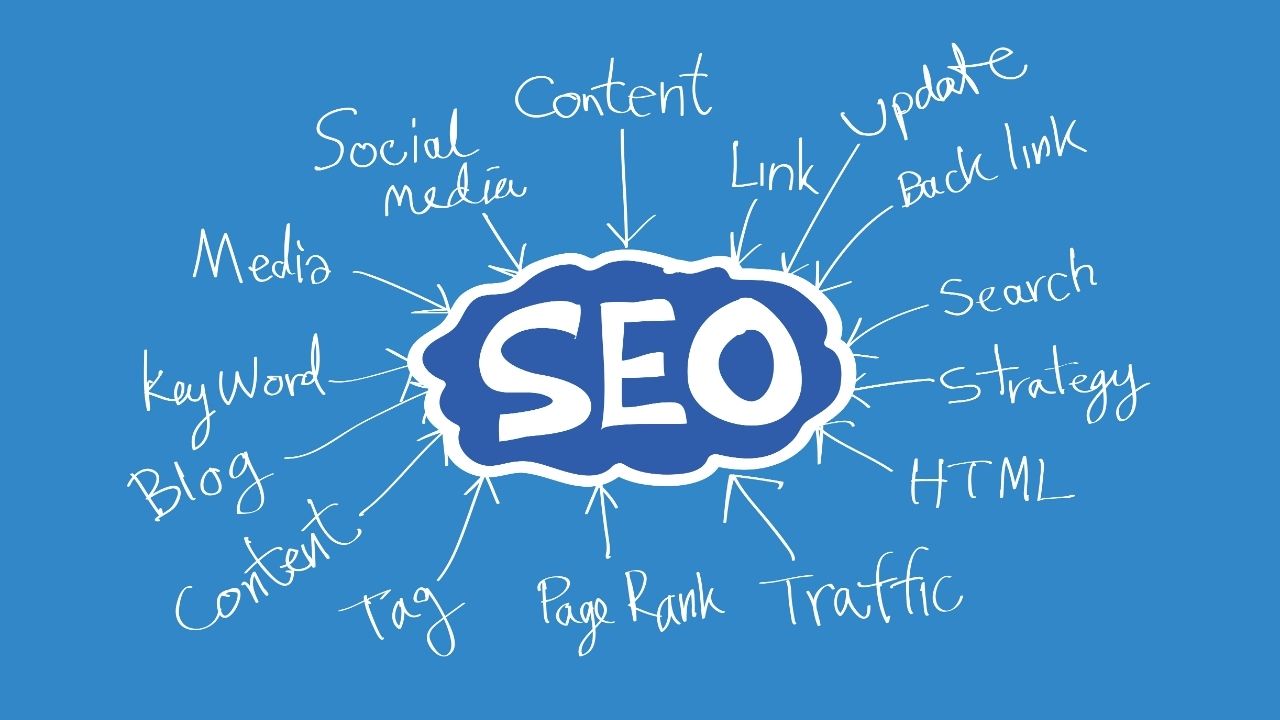
Search Engine Optimization (SEO) is a powerful digital marketing technique used to improve a website’s visibility on search engines like Google. Whenever users search for information, products, or services online, they usually click on websites that appear on the first page of search results. This is where SEO plays a crucial role. By following proper SEO strategies, you can increase organic (free) traffic to your website and build a strong online presence. This beginner’s guide will help you understand SEO in a simple and practical way.
What is SEO?
SEO stands for Search Engine Optimization. It is the process of optimizing your website content, structure, and technical elements so that search engines can easily understand and rank your pages for relevant search queries. In simple terms, SEO helps your website appear higher in search engine results pages (SERPs).
SEO focuses on improving content quality, using the right keywords, and creating a user-friendly website experience. When done correctly, SEO helps search engines identify your website as valuable and relevant to users
How Does SEO Work?
SEO works through search engine algorithms. When a user enters a query in Google, the search engine scans its index to find the most relevant and trustworthy pages. Google considers multiple ranking factors such as keyword relevance, content quality, backlinks, and user experience.
Websites that follow SEO best practices have a higher chance of ranking at the top. The main elements that affect SEO performance include:
- Relevant keywords
- High-quality and original content
- Website speed and mobile-friendliness
- Strong backlinks and authority
Types of SEO
SEO is divided into three main types, and each type plays an important role in improving website rankings.
1. On-Page SEO
On-Page SEO refers to all optimization techniques applied directly on website pages. It focuses on content and HTML elements to make pages search-engine friendly.
Key elements of On-Page SEO include:
- Optimized meta title and meta description
- Proper use of heading tags (H1, H2, H3)
- Natural keyword placement
- Internal linking
- Image optimization with alt text
- SEO-friendly URL structure
Good On-Page SEO helps search engines clearly understand the topic of your page.
2. Off-Page SEO
Off-Page SEO includes activities performed outside the website to improve its authority and trustworthiness. The main goal of Off-Page SEO is to build credibility.
Common Off-Page SEO techniques are:
- High-quality backlink building
- Guest blogging
- Social media promotion
- Brand mentions
- Business directory listings
Strong backlinks signal to search engines that your website is reliable and valuable.
3. Technical SEO
Technical SEO focuses on optimizing the technical aspects of a website so that search engines can easily crawl and index it.
Technical SEO includes:
- Website speed optimization
- Mobile responsiveness
- XML sitemap
- Robots.txt file
- HTTPS security
- Core Web Vitals
Without proper Technical SEO, achieving higher rankings becomes difficult.
Importance of SEO
SEO is essential for every website, blog, and online business. Some major benefits of SEO are:
- Increases organic and free website traffic
- Improves brand visibility and credibility
- Provides long-term results
- Enhances user experience
- More cost-effective than paid advertising
If you want sustainable online growth, SEO should be a top priority.
SEO for Beginners: Best Practices
If you are new to SEO, follow these best practices:
- Write content for users, not just search engines
- Avoid keyword stuffing
- Publish high-quality and original content
- Ensure your website is mobile-friendly
- Improve page loading speed
- Update content regularly
Following these practices consistently will help improve rankings over time.
Common SEO Mistakes to Avoid
Many beginners make common SEO mistakes that can harm rankings:
- Using duplicate content
- Targeting the wrong keywords
- Over-optimization
- Poor website structure
- Building backlinks from spammy websites
Avoiding these mistakes will help maintain strong SEO performance.
Conclusion
Search Engine Optimization (SEO) is a long-term strategy that requires patience and consistency. By following the right SEO techniques and publishing valuable content, you can improve your website’s ranking on Google. This beginner’s guide provides a strong foundation to understand SEO and apply it effectively. Learning SEO is a valuable skill that can help you achieve long-term online success.